Since Apple introduced glass backs starting with the iPhone 8, smartphone design changed dramatically.
Since Apple introduced glass backs starting with the iPhone 8, smartphone design changed dramatically. Glass backs enabled wireless charging, improved signal performance, and delivered a premium look and feel. However, this innovation also introduced a new challenge: back glass damage is no longer just a cosmetic issue.
Behind the glass are some of the most sensitive components in the device, including wireless charging coils, MagSafe magnets, antennas, microphones, thermal layers, and structural supports. Because of this, the method used to remove damaged back glass directly impacts the long-term reliability, safety, and performance of the phone.
Why Back Glass Repair Is One of the Most Delicate iPhone
Procedures
Many people assume replacing back glass is similar to changing a screen. It is not. The back glass is bonded to the frame using extremely strong industrial adhesive designed to withstand heat, pressure, and daily wear. Removing it incorrectly can introduce problems that may not appear immediately, but often surface weeks or months later. These issues can include charging failures, overheating, weak or inconsistent wireless charging, signal instability, or loss of structural rigidity.
From an engineering standpoint, this makes back glass repair one of the most technically sensitive procedures on modern iPhones.
Traditional removal methods often rely on excessive heat from heat guns, manual scraping using blades or metal tools, and aggressive force to break and peel the glass. While these methods may appear to work, they significantly increase the risk of internal damage and long-term reliability issues.
The Hidden Risks of Heat and Manual Scraping
Uncontrolled heat is one of the biggest threats to modern electronics. Heat guns can exceed safe temperature limits and affect internal components in ways that are not immediately visible during the repair.
Common risks include damage to wireless charging coils and MagSafe assemblies, weakened internal adhesives, warped plastics and insulation layers, and compromised structural integrity of the frame.
Manual scraping introduces additional danger. A small slip with a blade can cut flex cables, puncture charging coils, or damage protective layers essential for proper heat dissipation and long-term durability.
The Role of Professional Laser Technology
At iRepairMobileIndy, back glass repair is treated as a precision operation, not a brute-force job. Professional fiber laser systems are engineered specifically for modern smartphone construction.
Instead of heating the entire device, the laser targets the adhesive beneath the glass, allowing controlled removal while keeping surrounding components within safe thermal limits.This approach minimizes heat transfer, preserves the original frame, and creates a clean surface that allows the new glass to bond correctly, significantly reducing the risk of future failures.
Wireless Charging and MagSafe: A Critical Risk Area
Improper back glass removal can shift wireless charging coils, damage MagSafe magnets, reduce charging efficiency, and cause intermittent or inconsistent charging. In some cases, devices may still charge but generate excess heat or behave unpredictably.
This is why removing old adhesive and glass residue must be done carefully and methodically.Precision during cleanup is just as important as precision during removal.
Tools Matter, but Experience Matters Even More
Laser technology is not a shortcut. It is a professional tool that must be paired with skill, patience, and experience. After laser removal, careful manual work is required to clean the frame, inspect internal components, and prepare the surface for proper reinstallation.
Rushing this process or skipping inspection steps can negate the benefits of laser technology and introduce future failures that may not be immediately obvious.
Repair vs. Replacement: Making the Smart Choice
A properly executed back glass repair can restore the look, feel, and structural integrity of your iPhone while saving hundreds of dollars compared to full device replacement. When done correctly, the repair preserves wireless charging performance, maintains proper heat dissipation, and protects internal components from long-term stress.
The key difference lies in how the repair is performed—not simply that it is performed.
The Bottom Line
Back glass repair on modern iPhones is one of the most technically demanding procedures in smartphone repair. The difference between a repair that lasts and one that leads to future problems comes down to precision, proper tools, and professional handling.
Laser technology, when used correctly, offers a safer and more reliable alternative to outdated heat-and-scrape methods. Combined with careful inspection and proper reinstallation, it allows your device to be restored without compromising performance, safety, or longevity.
Your iPhone is a finely engineered device. It deserves a repair process that respects that level of engineering.
Return to the list of posts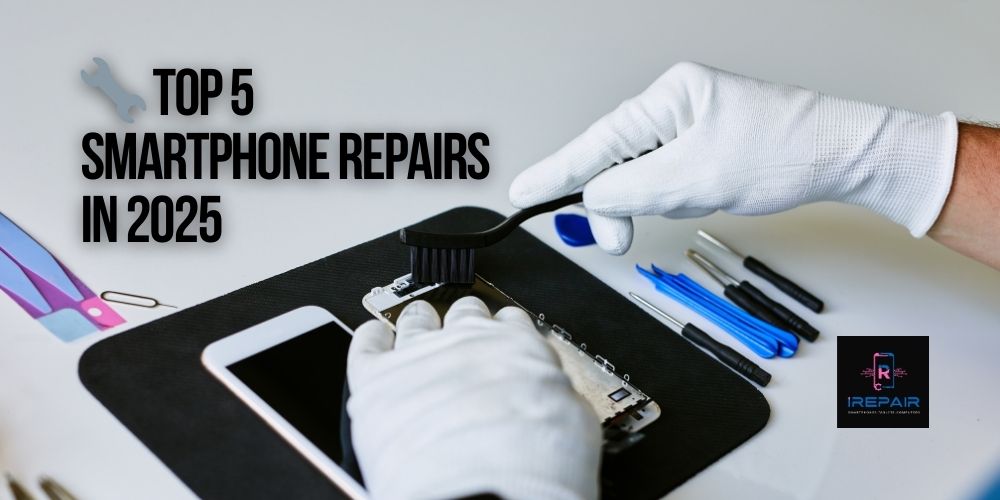
Smartphones are more advanced and stylish than ever in 2025, yet even top-tier models from Apple, Samsung, Xiaomi, and Motorola remain vulnerable
Read more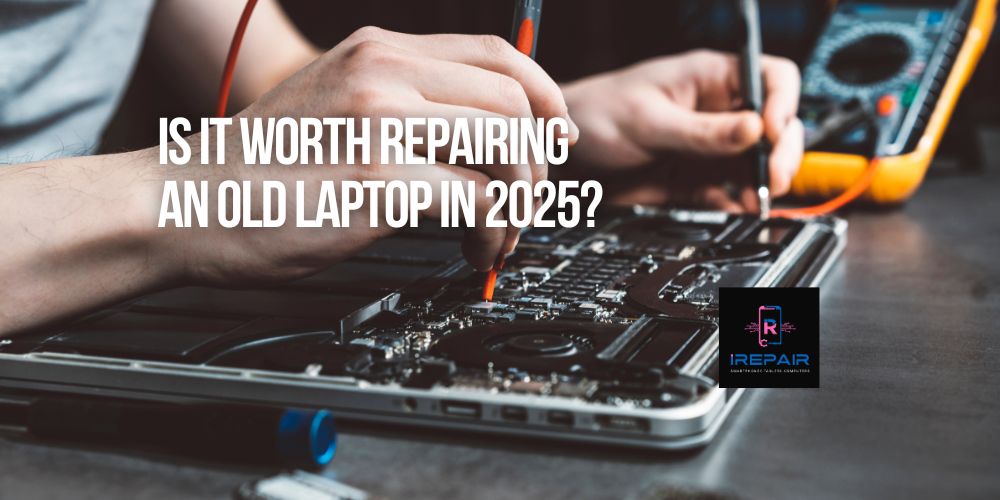
If you're still using an older laptop from brands like HP, Dell, Lenovo, Acer, or Apple, you're not alone.
Read more
In today’s digital era, your laptop is more than just a tool — it’s your mobile office, your entertainment hub, and often, the heart of your business.
Read more
Smartphones are essential to our daily lives,
Read more
It’s a common and frustrating issue: you plug in your phone, but nothing happens. No charging symbol.
Read more
In the smartphone world, it's increasingly common to find phones that look original but are actually replicas or clones.
Read more
When your phone, tablet, or computer needs repair, trusting just anyone can be risky.
Read more
One of the most frequent complaints we hear at iRepairMobileIndy is: "Why is my phone charging so slowly?"
Read more
At iRepair Mobile Indy, we know it’s easy to dismiss a faulty charging port as just an inconvenience.
Read more
At iRepair Mobile Indy, we’ve seen countless gamers frustrated when their console suddenly won’t display video.
Read more